When I first thought about going hiking in Northern Sweden, I had considered doing it in summer, with beautiful sunshine beating down, swimming in glacier fed lakes… In fact, I chose not to do it then because I didn’t fancy 24 hour sunlight if I was trying to camp in a tent…
In October, there will be no swimming lakes. With an average temperature of 5 degrees, it’s no exaggeration to say that this is probably going to be the toughest expedition yet, and to make things even better, I’ve barely prepared myself in terms of kit, let alone physically or psychologically.
In many ways, the trip that I suspect will have prepared me most was a 2 day epic in the Lake District in January, over a damp and very windy weekend, except longer, and hopefully not as grim.
As backpacking goes, I’ve dedicated an inordinate amount of weight to food, and cameras, whilst minimising weight on clothes. Let’s do a bit of a kit list:
Sleeping and Shelter:
- Mountain Equipment Xero 550 down sleeping bag
- Themorest Neoair
- Vango Helium 200
- Silk sleeping bag liner
Food and cooking
- 3 litre Platypus
- Trangia stove + 1 pan + 500ml meths + flint/steel spark lighter
- 1 plastic spork and two sharp knives
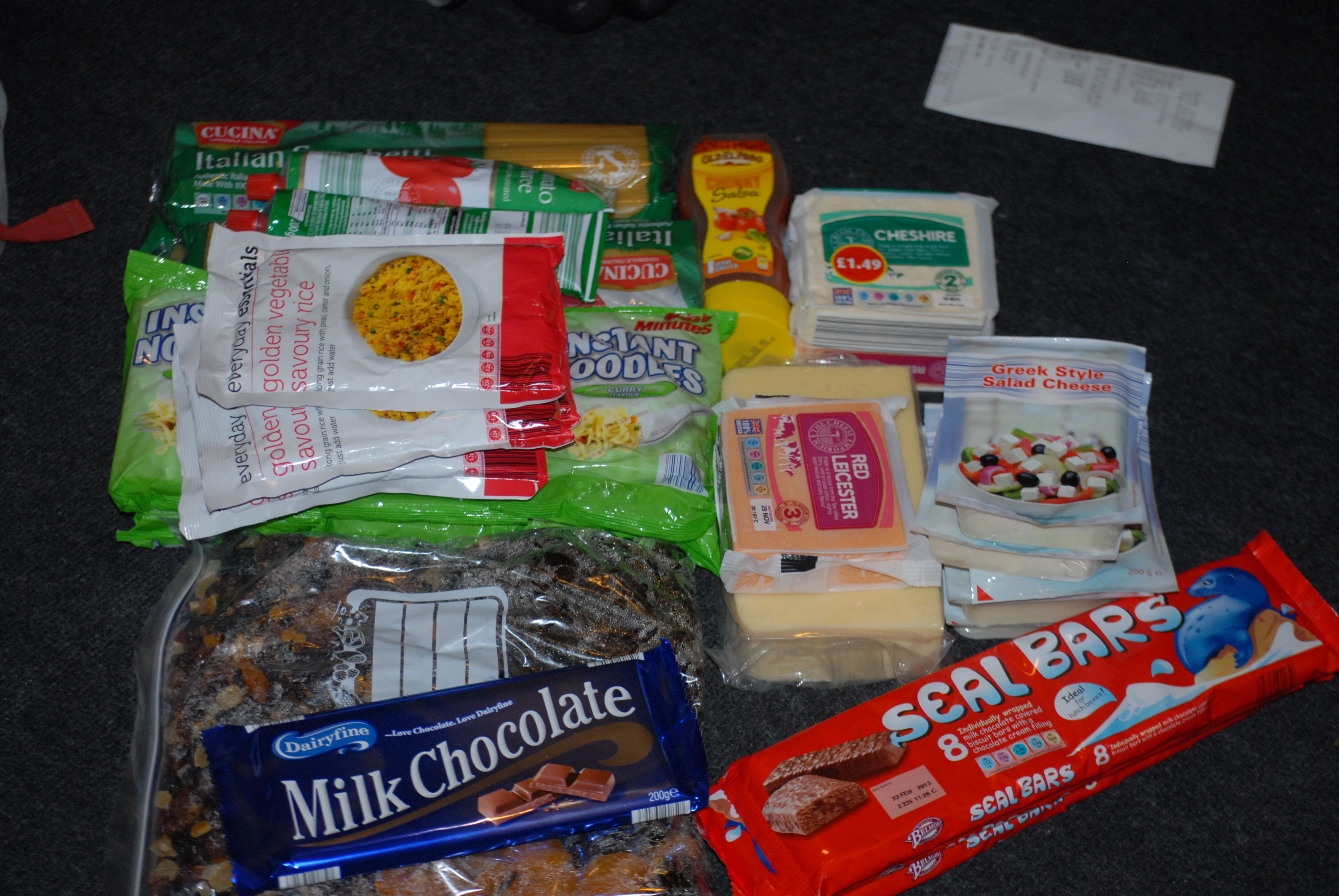
- 2KG spaghetti
- ~1KG of “just add water” ramen noodles and rice
- ~1.5 KG of cheese in one-per-day-sized sealed packets
- Tomato puree and salsa as ad-hoc sauce.
- 1kg of dried fruit
- 24 chocolate bars
Cameras and electronics
- Nokia N900 smartphone
- Sanyo CA100 + spare battery
- Propono external battery pack (fits above devices) + continental charger
- Canon 5D mkII + 24-205 f4 lens + camera bag
- About 88GB of CF storage and 16GB of SD storage
- 9 Canon batteries
- Glidecam XR 2000
Clothing
- 3 quick drying lightweight t-shirt vests
- 2 lightweight/quick drying synthetic long sleeved shirt
- 2 cotton/slow drying thermal long sleeved shirt (thanks Zhelyo!)
- 2 pair of shorts and one pair of tracksuit bottoms
- 3 pairs of boxers
- 2 waterproof, windproof, breathable microfibre fleeces
- 1 pair of padded sallopettes
- 2 pairs of dual lining socks, 1 pair of fluffy ‘extra warm’ socks
- 1 pair of Raichle hiking boots
- 1 pair of fingerless neoprene sailing gloves
- 1 pair of thick, padded sailing gloves
General equipment
- Osprey rucksack
- Whistle, compass, headtorch and spare batteries
- Collins SAS survival guide
- First aid kit (painkillers, general meds, plasters)
- General toiletries
- Space blanket and towel
- Ice Axe
- Glasses and sunglasses
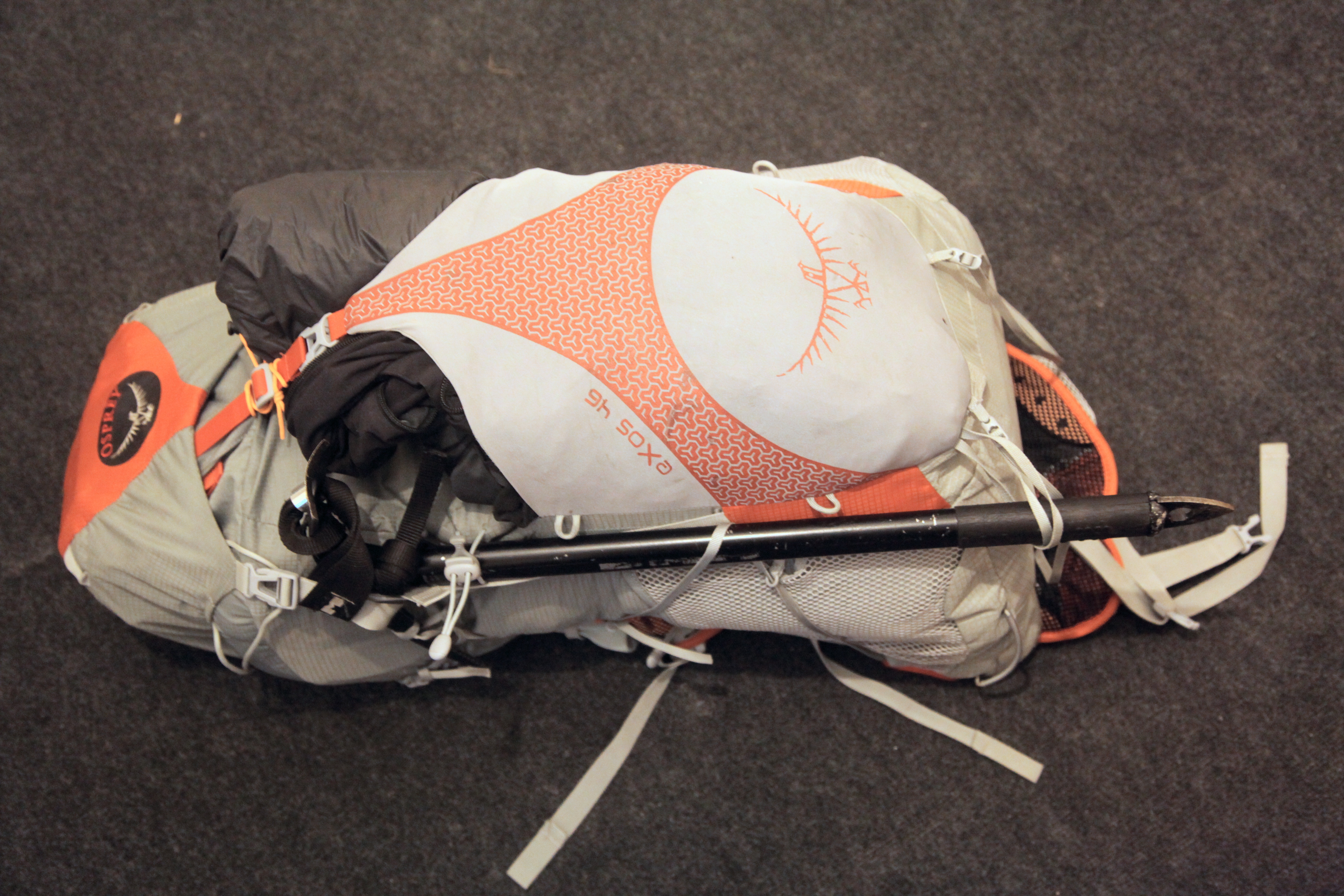
So the big question: how much does it weigh? I’m not sure. More than would be completely comfortable, but I think I can optimise the weight distribution further to put some heavy stuff higher up my back. I tried wearing it round the house and running up and down stairs a few times with it on. Unsurprisingly, after 6 or 7 sprints up and down the stairs, I was a bit tired, but I think it’s probably a good sign – it wasn’t completely unachievable.
Clearly, in the time not spent walking, sleeping, eating or thinking, the cameras are my main source of entertainment. The mobile phone is largely going to be left switched off. It’s worth noting that, for me, this is a quite bold technological setup as it does not include a laptop. As strange as this may seem, almost every serious expedition I’ve been on, has included a laptop for battery/connectivity/extra storage reasons. This is not very efficient, so hopefully I can manage without it. It’s also worth noting that this is likely to be the longest time I will have spent without internet access for, years(?). We’ll see how that goes.
Clearly, with minimal clothes, I’ll be forced to do some washing of clothes – hence the preference for quick drying synthetics that will drip dry, even in cold weather. The gloves sound a bit unpromisingly, but work surprisingly well together. I’m a tiny bit nervous that an extreme burst of very cold weather, or very wet weather, I might not be very well prepared for, but I think I have effective waterproofs, and I think that in the event of cold, putting on the maximum layers (or simply pitching the tent and calling it a day) should work ok.
I’m flying to Stockholm Arlanda, then getting the 19 hour sleeper train from the airport station, to Abisko – a tiny hamlet, in the Artic Circle in Northern Sweden and the trailhead of the Kungsleden. My plan is to do a 12-13 day circuit to the south of Abisko, returning on the 15th to head back to Stockholm and Manchester.
One thing is for certain: this trip will be like nothing I’ve done before it. Probably.
Aside
The Swedish Tourist Association – read “Tourist Information” – which looks after all of the paths and trails had this gem on it’s website. Clearly, those annoying puzzles that have irritated school children and programmers for years about Foxes, Donkeys, rowing boats and rivers originated from Sweden, because this was actually on their website:
Rowing trails with at least one rowboat on each shore are located where the trails traverse larger watercourses or lakes. Those who use the boats are responsible to ensure that one boat is on each side of the water. This can mean that the rowing must be done three times.
First, you have to row over to the other side to get the boat there, row back with it in tow, pull this boat up on the shore to then row over again to the spot from where you will continue you hike.